
Sports Psychology, Mantras, Yoga, and Breathing, Part 1 of 4
JUST IMAGINE*! IT WORKS!
*Aka VISUALIZE!
At least 50% of your performance is psychological.
Competing - or being your best at any levels - wisely means making choices that align with your intention and goals while properly managing your energy. The key to this wisdom lies in your mind, not your heart, lungs, or legs. It’s the ability to know when you can and should work to change a situation—in your pacing, equipment, nutrition, or hydration—and how to do it efficiently. It’s also the wisdom to recognize what you cannot change, and to respond to those moments with grace and even humor.
Your mental skills will make or break your efforts. Being mentally sharp and strategic can help you overcome spotty or mediocre training and get you to the next level, no matter your goals. Conversely, crumbling mentally will lead to a subpar performance, no matter how well prepared you are.
Good mental skills are honed in training - consistently. You develop them organically as you challenge yourself—learning to focus and stay relaxed even when you’re working hard. Every time you surpass a perceived limit in training, you reinforce that you are capable of more than you think, especially when you stay focused.
Mental skills help you stay present in the race or challenge. We call this “presence mindfulness”.
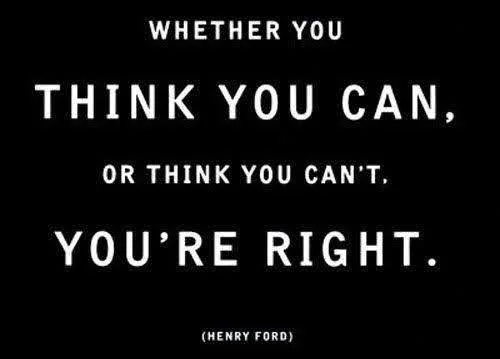
Just Imagine - Imagery Training
Simply put, imagery training involves sitting in a chair, with eyes open or closed, and in the quiet of your mind, rehearsing what you want to see and feel happen during a workout or event, or race.
It is a conscious effort to use your mind in a way to achieve goals, versus daydreaming or wishing they will come true.
The potential impact it can have on performance IS HUGE.
Olympic athletes many times cite this is THE reason they won a medal.
Imagery works because it stimulates the same areas of the nervous system that are used during physical training. It's a way to reinforce learning. In endurance sports, it's a way to learn how to deal with pain and fatigue, because you can see yourself in your mind's eye transcending pain and fatigue. Or it can be a way to improve skill development, like stroke technique in swimming, breathing more slowly, improving posture, etc.
Visualizing It All – “I’ve got this”
A main reason why the majority of athletes underperform is that they may have prepared to win their event but they have not prepared to beat the competition…The competition in this sense can be defined as understanding all the physical, psychological, tactical, technical inter-personal demands of an event such as…[here are just a few examples]:
SWIM: crowded warm-up lanes, the noise, officious officials, slipping off the block at the start, your goggle elastic snapping, hot /cold conditions etc.
RUN: rain, cold, snow, tweaky ____, not your favorite breakfast, you dislike course
ROWING: wind, cold, other environmental factors, coach sick, blister on hand, etc.
WHAT’S YOUR SPORT? Make it personal and specific to YOUR scenario
You visualize yourself having a great event - the best ever; but also visualize your self overcoming some things - demands, barriers, less than perfect conditions, etc. that could happen.
So this is the new skill to learn and adopt.
TRAIN YOUR BRAIN for a variety of possible scenarios - but ultimately, SEE (and FEEL) yourself meeting and exceeding goals and you WILL:
GO FAST / WIN / GET A PR / WHATEVER
Stay TUNEd for Part 2 next week: The Power of Mantras!